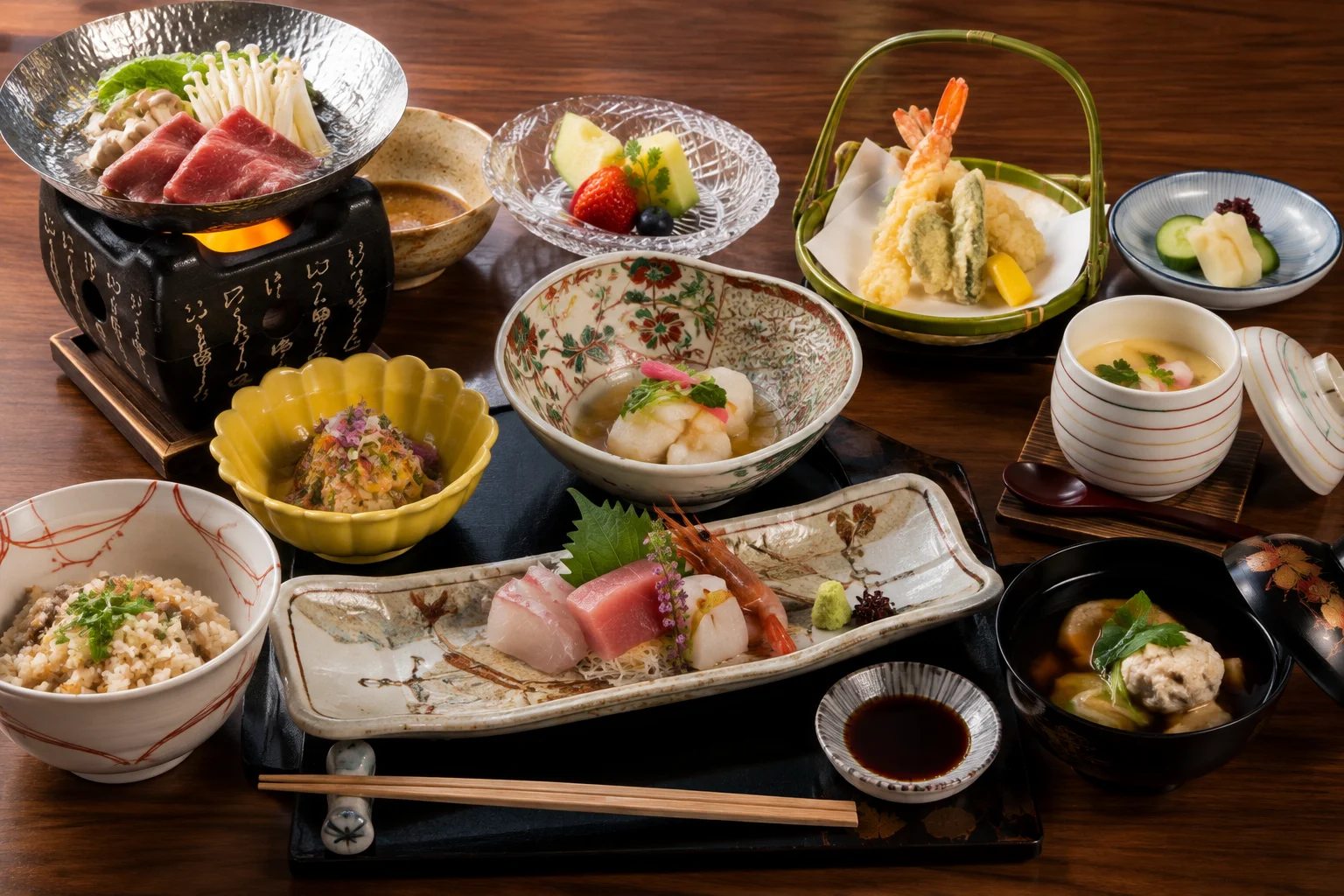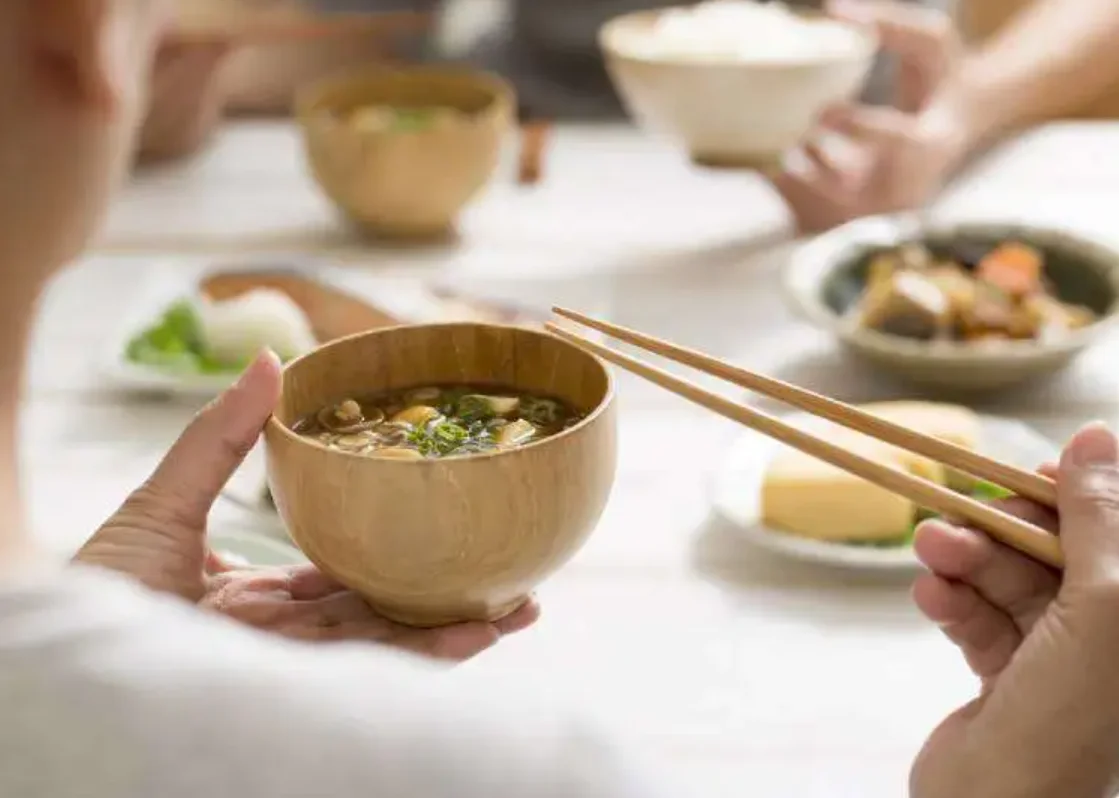
Chopsticks are an essential part of dining in Japan, and learning how to use them appropriately can make restaurant experiences more comfortable for international visitors. While travelers do not need to master every aspect of Japanese table manners, understanding a few basic customs can help avoid behaviors that may be considered inappropriate.
Japanese chopstick etiquette is closely connected to cultural traditions and respect for the people sharing the meal. Some rules are simple practical habits, while others have deeper cultural meanings.
For travelers preparing for their first meal in Japan, learning these customs before arriving can make dining feel much more natural.
Why Chopstick Etiquette Matters in Japan
Chopsticks are used for many types of Japanese food, from rice and noodles to grilled dishes, sushi, and small shared plates.
Because they are used throughout everyday dining, the way chopsticks are handled can communicate consideration toward other people at the table.
Visitors should not feel nervous about making an occasional mistake. The goal is simply to understand the most important customs and approach them respectfully.
How to Hold Chopsticks Correctly
The basic technique involves keeping one chopstick relatively stable while moving the other.
The lower chopstick rests against the base of the thumb and is generally kept stationary. The upper chopstick is controlled with the fingers to pick up food.
It may take some practice for people who are accustomed to forks or spoons, but most travelers become comfortable after several meals.
If you are struggling, it is perfectly acceptable to take your time rather than rushing.
Use a Chopstick Rest When Available
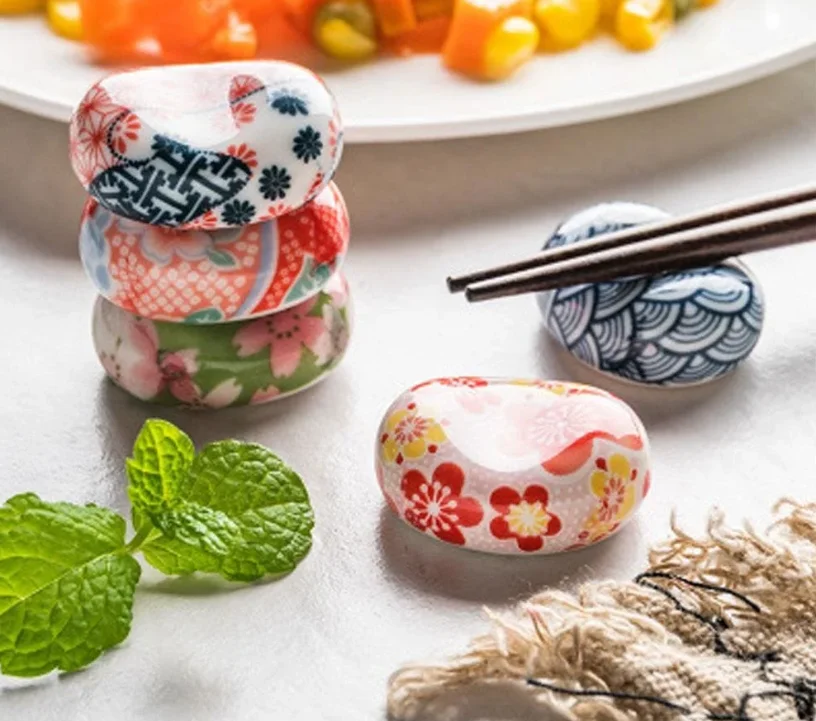
Many Japanese restaurants provide a small chopstick rest.
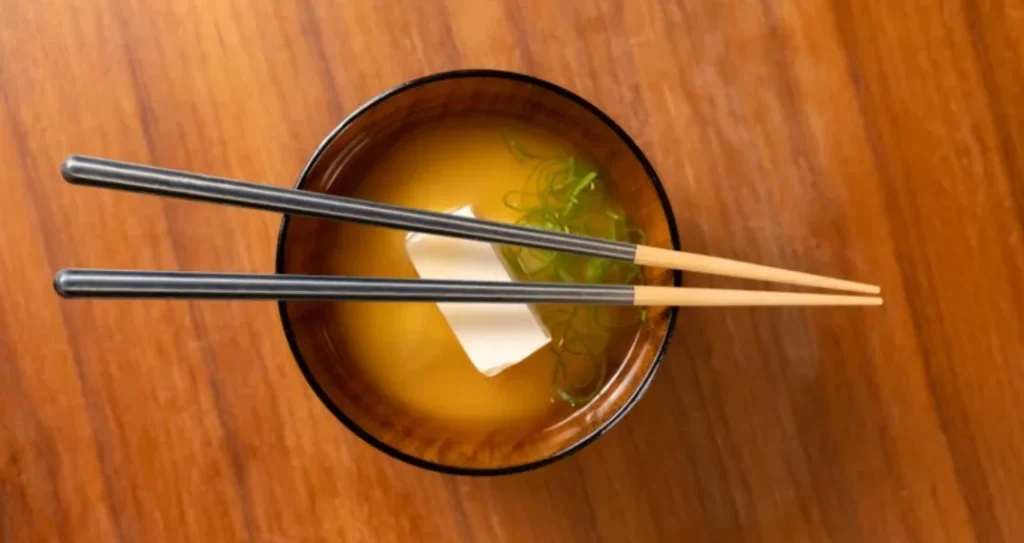
When you are not eating, place your chopsticks on the rest rather than leaving them directly on the table.
This keeps the eating utensils clean and also provides an appropriate place to put them between bites.
If no chopstick rest is provided, follow the restaurant’s setup rather than automatically placing the chopsticks across a bowl.
Important Chopstick Habits to Avoid
Several chopstick behaviors are considered particularly inappropriate in Japan.
Never Stick Chopsticks Upright in Rice
One of the most important rules is to avoid placing chopsticks vertically into a bowl of rice.
This arrangement resembles a ritual associated with funerals and offerings for the deceased.
For that reason, it should be avoided during normal meals.
Instead, place your chopsticks on the provided rest.
Do Not Pass Food From Chopstick to Chopstick
Passing a piece of food directly from one pair of chopsticks to another should also be avoided.
This action is associated with Japanese funeral customs.
If you want to share food with another person, place the food onto their plate using an appropriate serving utensil.
Avoid Pointing With Chopsticks
Chopsticks should not be used to point at people, dishes, or objects.
Although pointing may seem like an ordinary gesture in some cultures, using eating utensils in this way can appear impolite in a Japanese dining environment.
Do Not Wave Chopsticks While Talking
It is better to keep chopstick movements controlled when speaking.
Avoid waving them around, gesturing toward other people, or holding them in the air while having a conversation.
This is both a matter of etiquette and basic consideration for people around you.
Do Not Play With Chopsticks
Chopsticks are eating utensils rather than toys.
Avoid using them to drum on bowls, play with food, or make unnecessary movements.
This is particularly important when dining in a more formal restaurant where the atmosphere may be quieter and more traditional.
Avoid Tapping Bowls With Chopsticks
Tapping a bowl or other tableware with chopsticks is another behavior travelers should avoid.
There is no practical reason to use chopsticks in this way, and it can disturb other diners.
Simply use them for eating and return them to the chopstick rest when finished.
Do Not Use Chopsticks to Move Dishes
It may seem convenient to use chopsticks to pull a bowl or plate closer, but this should generally be avoided.
Use your hands to move tableware when appropriate instead.
This keeps the chopsticks focused on their intended purpose and reduces the possibility of accidentally dropping or spilling food.
Be Careful When Sharing Food
Japanese meals often include dishes that are shared between several people.
When food is served communally, look for dedicated serving utensils.
Use serving chopsticks
If a restaurant provides separate serving chopsticks, use them to transfer food to your plate.
This is preferable to using your personal chopsticks directly on shared dishes.
Take a reasonable amount
When sharing food, take a portion that is appropriate for you and leave enough for everyone else.
This is especially important during group meals where several dishes are being shared.
Chopstick Etiquette With Different Foods
The way food is handled can vary depending on the dish.
Rice
Rice is commonly eaten directly from a bowl using chopsticks.
It is acceptable to bring the bowl closer to your mouth while eating rather than leaning over the table.
However, remember that chopsticks should never be left standing vertically in the rice.
Noodles
Noodles such as ramen and soba can be eaten with chopsticks.
Slurping noodles is generally accepted in Japan, particularly with ramen and soba, although visitors should still follow the atmosphere of the particular restaurant.
Sushi
Sushi can sometimes be eaten with chopsticks or with the hands, depending on the type and setting.
If you are uncertain, observing how other diners eat can provide a useful indication.
Shared dishes
For communal dishes, use serving utensils whenever they are provided.
This allows everyone at the table to share food comfortably.
Chopsticks in Traditional Dining Settings
More formal Japanese dining environments may have additional customs.
You may encounter traditional tableware, multiple courses, seasonal dishes, or tatami seating.
In these settings, observing the host or restaurant staff can help you understand how the meal is intended to proceed.
If you are unsure what to do, there is no need to panic. Simply pause and observe before acting.
What to Do When You Make a Mistake
International travelers should not worry excessively about etiquette.
Making an accidental mistake with chopsticks is unlikely to ruin a dining experience.
The important thing is to recognize the issue and adjust your behavior.
Japanese restaurants welcome visitors from many countries, and staff generally understand that international guests may not be familiar with every custom.
Being polite and respectful matters more than perfect technique.
Learning Broader Japanese Dining Etiquette
Chopstick etiquette is only one part of the broader dining culture in Japan.
Other customs can include how to begin a meal, how to handle shared dishes, how to behave in different restaurant environments, and how to approach payment.
Travelers who want to understand the broader customs before visiting can explore this japanese dining etiquette guide for a wider overview of dining behavior in Japan.
Practical Tips for First-Time Visitors
A few simple habits can make chopstick use easier:
- Practice using chopsticks before your trip if you are unfamiliar with them.
- Use the chopstick rest whenever one is provided.
- Avoid pointing or gesturing with chopsticks.
- Never leave chopsticks standing vertically in rice.
- Do not pass food directly from chopstick to chopstick.
- Use serving utensils for shared dishes.
- Observe other diners when you are uncertain.
- Ask restaurant staff for help when necessary.
The goal is not to memorize dozens of rules. Understanding the most significant customs is enough to approach meals with confidence.
Final Thoughts
Chopstick etiquette is an important part of experiencing Japanese dining culture respectfully.
The most important rules are relatively simple: use chopsticks for their intended purpose, avoid behaviors associated with funeral rituals, use serving utensils when sharing food, and place chopsticks on an appropriate rest when they are not being used.
For international travelers, observing the people around you can also be one of the easiest ways to understand unfamiliar dining situations.
With a little preparation and an open attitude, using chopsticks can quickly become a natural part of enjoying Japanese cuisine.