The residential property trends market in 2025 is evolving rapidly as homebuyers’ preferences shift in response to changing lifestyles, technological advancements, and global economic factors. Various key trends, including multi-generational living, smart home features, and flexible spaces, shape the future of housing. These trends are redefining what buyers seek in their ideal homes, making it essential for homeowners and real estate developers to adapt.
1. The Rise of Multi-Generational Living
One of the most notable trends in residential properties for 2025 is the increasing popularity of multi-generational living. Families are choosing to live together for reasons like caring for aging parents, pooling finances, and fostering closer relationships. Homes with separate living spaces, such as in-law suites, secondary kitchens, and multiple bathrooms, are highly desirable. These homes offer privacy and autonomy while maintaining family connections. As more buyers seek these features, homebuilders design properties with flexible layouts to accommodate extended families.
2. Smart Home Features and Automation
As technology advances, the property trends market in 2025 is increasingly looking for properties with integrated smart home features. From voice-activated assistants and smart thermostats to high-tech security systems and energy-efficient appliances, homes with automation technologies are gaining significant traction. These features offer convenience, energy savings, and enhanced security, all appealing to today’s tech-savvy buyers. Additionally, homes that support home-office setups with high-speed internet connections, built-in charging stations, and tech-friendly workspaces are in high demand. Reflecting the continued rise of remote work and hybrid work environments.
Read more Renting vs Buying: What’s Best for Young Adults?.
3. The Need for Flexible Spaces
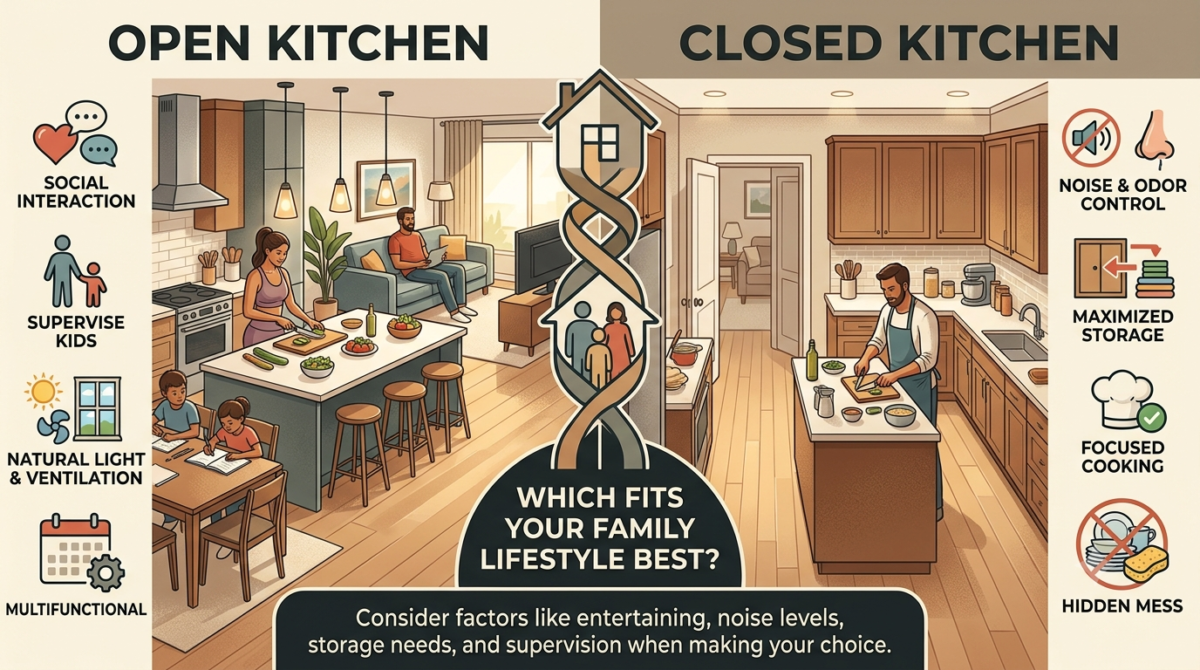
Flexible spaces have become a must-have for many homebuyers, driven by the need for adaptability in uncertain futures. In 2025, buyers will increasingly search for homes with versatile rooms serving multiple functions. These spaces include home offices that can double as guest rooms, exercise areas that can transform into playrooms, or sizeable open-plan living areas that allow easy customization. This trend highlights the increasing need for homes that can quickly adapt to varying family requirements and lifestyle changes, particularly in light of the COVID-19 pandemic. As more people seek homes that accommodate remote work, personal hobbies, and family gatherings, spacious, flexible layouts are in high demand.
4. Sustainable and Eco-Friendly Design
With climate change and sustainability at the forefront of many people’s minds, environmentally conscious design is another key trend in 2025’s residential market. Homebuyers are growing interested in properties equipped with energy-efficient systems, solar panels, water-saving fixtures, and environmentally friendly materials. Green building certifications, such as LEED (Leadership in Energy and Environmental Design), are becoming desirable in residential properties. Homebuyers are increasingly looking to lessen their carbon footprint while cutting down on utility expenses, which is why sustainable homes are becoming more appealing.
As we approach 2025, the residential property trends market is evolving to better align with the preferences and aspirations of today’s buyers. Whether it’s multi-generational living, the latest in smart home technology, flexible spaces for changing lifestyles, or sustainable design, these trends are shaping the future of homeownership. Homebuyers today seek properties that provide convenience, flexibility, and sustainability. These features are essential for selling or building in the coming years.