Bali has long been the crown jewel of Indonesia’s tourism and property market. From its lush rice terraces to its turquoise coastline, the island has attracted travelers, retirees, and investors from around the world. Over the past decade, places like Seminyak, Canggu, and Ubud have transformed into thriving lifestyle hubs, but with that growth has come soaring property prices and increased competition.
For savvy investors, the following big opportunities are not in these already-saturated markets, but in the emerging areas of Bali. These are locations that still offer affordable land, natural beauty, and untapped potential for development, places poised to deliver significant returns as infrastructure improves and tourism spreads beyond the well-known hotspots.
Why Consider Emerging Areas for Land Investment?
Buying land in an emerging location in Bali is a chance to get ahead of the curve. In these areas, prices are often 30-70% lower than in popular destinations, meaning your budget stretches further, whether you’re looking for a small beachfront plot or a large piece of farmland.
Lower entry costs mean higher potential for capital appreciation as the area develops.
Another advantage is flexibility, unlike highly developed regions where strict zoning and community restrictions can limit creativity, emerging areas often allow more freedom for innovative, eco-friendly, or boutique projects that can capture niche markets. Fewer large developers are competing for the best plots, allowing individual investors to secure prime positions.
Perhaps most importantly, emerging areas still retain Bali’s authentic charm, unspoiled landscapes, traditional villages, and a slower pace of life. This appeals to a growing segment of travelers seeking more meaningful and sustainable experiences.
Factors Driving Growth in Emerging Bali Areas
Several powerful trends are shaping the next wave of property growth in Bali:
1. Infrastructure Expansion
Bali’s government has invested in road improvements, new bypasses, and upgrades to ports and airports. Notably, the proposed North Bali airport and the expansion of Gilimanuk Port could drastically improve accessibility to underdeveloped regions, making them more attractive for tourism and business.
2. Changing Zoning Regulations
Local governments are gradually adjusting zoning maps to encourage tourism-related development in new areas. This opens the door for boutique resorts, wellness centers, and other ventures previously restricted in rural zones.
3. Shifting Tourist Preferences
The post-pandemic traveler is looking for more than just beaches and nightlife. Visitors now seek cultural immersion, nature-based activities, and peace. All of which these emerging areas can offer in abundance.
4. Rise of Remote Work
With more people able to work from anywhere, smaller towns and rural landscapes are becoming hotspots for digital nomads and long-stay visitors who value tranquility and space.
Top Emerging Areas for Land Investment in Bali (2025)
1. North Bali (Lovina, Singaraja)
North Bali remains one of the island’s best-kept secrets. Lovina’s calm black-sand beaches, friendly villages, and dolphin-watching tours attract a steady flow of niche travelers. Singaraja, once Bali’s capital, has cultural charm and better infrastructure than many rural towns. Land here is still highly affordable, and with road upgrades and a proposed airport, the area is expected to become more accessible and attractive to investors.
Why invest: Perfect for eco-tourism, retirement communities, or wellness retreats where the focus is on tranquility rather than high-traffic nightlife.
2. Seseh and Cemagi
Just a short drive north of Canggu, Seseh and Cemagi feel like a world away from the crowds. The coastline here is dotted with temples, rice paddies, and quiet beaches, making it a haven for those seeking serenity. Proximity to Canggu’s amenities without the noise and congestion is a significant draw for high-net-worth buyers. Luxury villas are beginning to appear, but there is still room for investors to secure beachfront or rice field view plots before prices catch up with neighboring areas.
Why invest: Ideal for luxury villa development, yoga retreats, or boutique resorts targeting the wellness and honeymoon market.
3. Sidemen (East Bali)
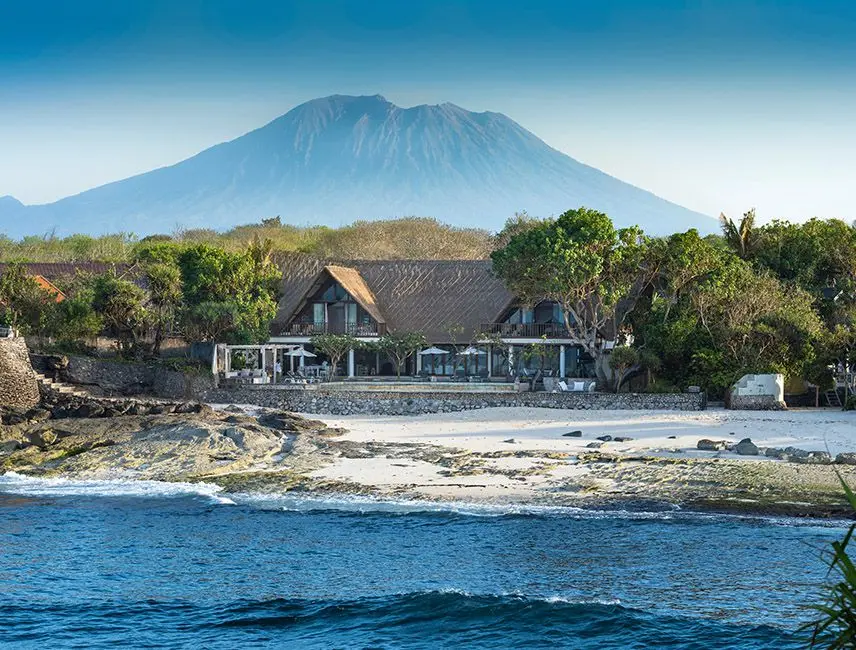
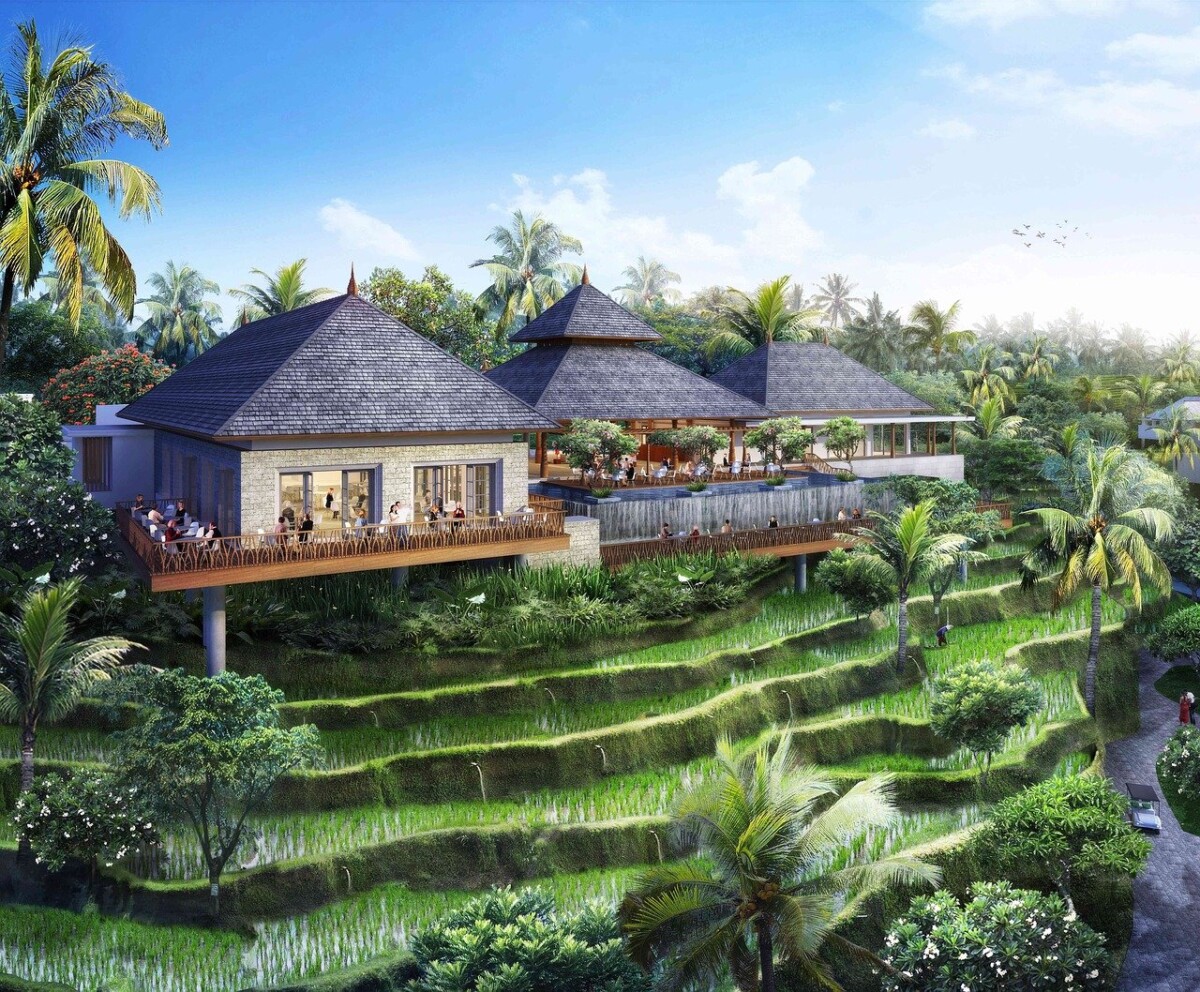
Sidemen is often compared to Ubud 30 years ago. Its terraced rice fields, traditional weaving communities, and panoramic views of Mount Agung create a truly authentic Bali experience. Tourists visit for trekking, cultural tours, and relaxation, yet large-scale development has not touched the area, keeping land prices low.
Why invest: Ideal for eco-lodges, cultural tourism projects, or boutique hotels that cater to travelers seeking peace and authenticity.
4. Uluwatu and Bingin (Bukit Peninsula)
The Bukit Peninsula is famous for dramatic cliffs, white sand beaches, and some of the world’s best surf breaks. Uluwatu and Bingin are already well-known among surfers and luxury travelers, but there are still pockets of affordable land for investors who know where to look. Tourism here leans toward upscale, with high demand for cliffside villas and boutique resorts offering ocean views.
Why invest: Great for high-return luxury projects, surf camps, or cliffside dining venues.
5. Tabanan Regency
Stretching along Bali’s west coast, Tabanan offers vast tracts of agricultural land, volcanic black-sand beaches, and stunning sunsets. Development is slower compared to the south, but this is precisely what appeals to wellness brands, organic farmers, and sustainable tourism operators. With its proximity to the new Gilimanuk toll road, access to Tabanan will become even easier in the coming years.
Why invest: Ideal for large-scale wellness resorts, organic farming ventures, or eco-friendly retreats.
Risks and Challenges of Investing in Emerging Areas
Emerging areas promise high rewards, but they also come with challenges:
- Infrastructure delays: Roads, ports, and airports may take years to complete, which can slow down the pace of growth.
- Zoning restrictions: Certain plots are zoned for agriculture only, meaning no tourism development is allowed unless re-zoned.
- Access to utilities: Water, electricity, and internet connections may be limited or costly to install.
- Legal complexity: Bali’s land ownership laws require careful navigation, especially for foreign investors. Always check certificates (sertifikat tanah) and ensure the seller is the rightful owner.
Tips for Successful Land Investment in Bali
- Hire a trusted notary (PPAT) and legal consultant who understands local property laws and can verify the land’s ownership history.
- Know your ownership options: Foreigners typically buy through leasehold agreements (Hak Sewa) or by establishing a PT PMA company to secure building rights (Hak Guna Bangunan).
- Visit the land in person to assess its location, access roads, surrounding developments, and environmental factors like flooding risk.
- Check zoning maps with the local Badan Pertanahan Nasional (BPN) office to confirm your intended project is permitted.
- Think long term: Emerging areas may take 5-10 years to reach their full potential, so patience is key.
Conclusion
Bali’s emerging property markets represent a rare window of opportunity. With the proper research, careful due diligence, and a willingness to look beyond the familiar, investors can secure prime plots at prices that will seem unbelievably low in a few years.
Whether it’s the untouched beaches of North Bali, the tranquil rice fields of Sidemen, or the luxury cliffside views of Uluwatu, each area offers unique possibilities for those who invest early. By pairing market insight with local expertise, you can turn today’s under-the-radar land into tomorrow’s high-value asset.